The Importance of Waterproofing Services
Waterproofing services are crucial in protecting buildings from water damage. Without a proper waterproof system, structures are susceptible to leaks, mold, and structural deterioration. This service involves applying various technologies like membranes and coatings that prevent water penetration. It's especially important for basements, roofs, and bathrooms where moisture is always a threat. Having a good waterproofing system not only protects your property but also adds to its longevity and value.
Types of Waterproofing Solutions
There are several types of waterproofing solutions one can consider. These include liquid waterproofing, bituminous waterproofing, polyurethane waterproofing, and more. Each solution has its own strengths and should be chosen based on specific needs. For instance, Liquid Waterproofing is well-suited for areas needing flexibility and durability, such as roofs and terraces. Meanwhile, bituminous waterproofing is often used in structural foundations, offering a sturdy water-resistant barrier.
The Role of Industrial Paint
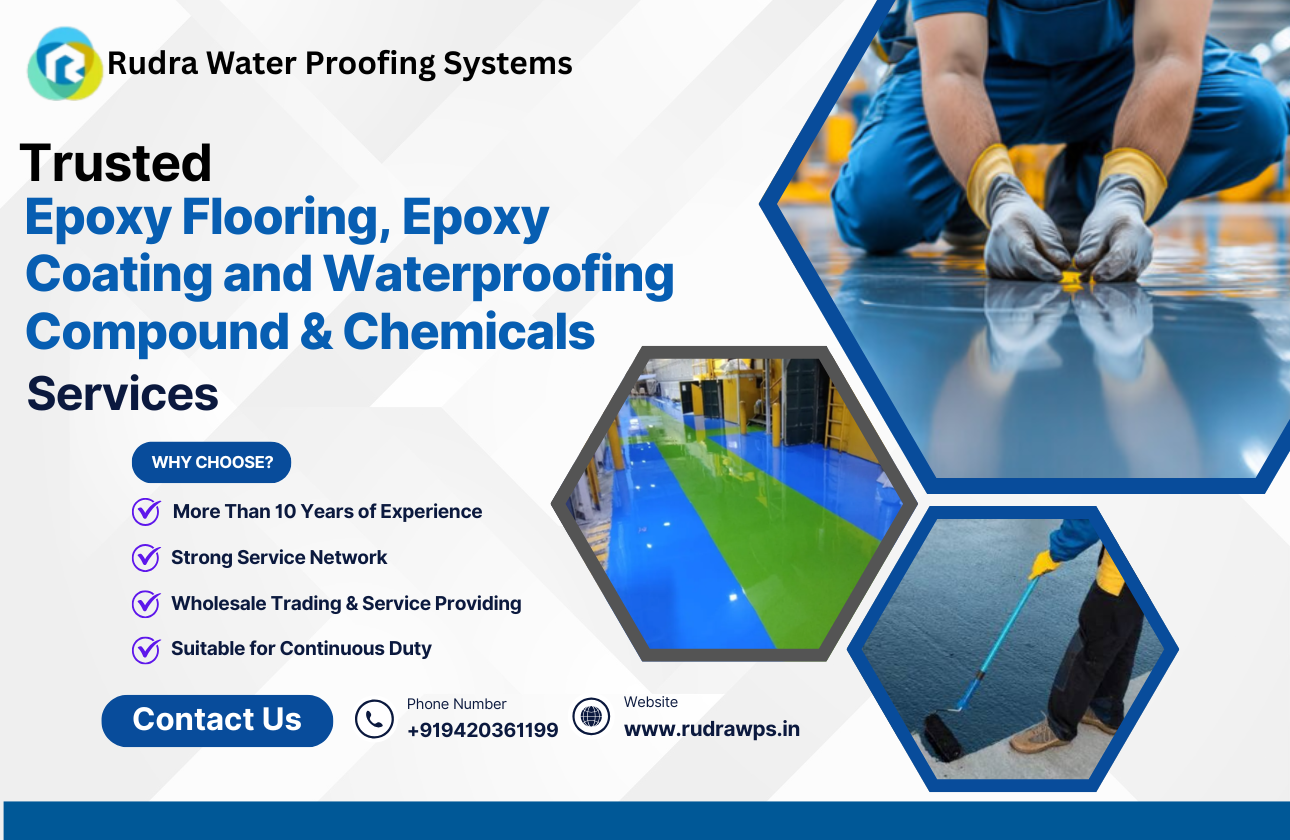
Industrial paint serves dual purposes: protecting surfaces and enhancing their appearance. Unlike regular paint, it is formulated to withstand extreme conditions like high temperatures, chemicals, and abrasion. This makes it an ideal choice for factories, warehouses, and outdoor structures. Industrial paint can also provide anti-slip features for increased safety. Applying high-quality industrial epoxy floor coating can significantly enhance the safety and durability of industrial floors.
Choosing the Right Industrial Paints and Services
When selecting industrial paint, it's essential to consider the specific environment where it will be used. Factors such as exposure to chemicals, temperature fluctuations, and moisture levels will determine the best type of paint. Consulting specialists can help make an informed choice. Additionally, acquiring services from experienced professionals ensures that the paint is applied correctly, maximizing its protective qualities.
The Benefits of Combining Waterproofing and Industrial Paint
Integrating waterproofing services with industrial paints can take property maintenance to a new level. While waterproofing protects against water ingress, industrial paints offer protection from other environmental factors. This combination creates a major defensive barrier, prolonging the lifespan of any infrastructure. Such comprehensive protection can be vital for industrial facilities where wear and tear are common.
Applications of Waterproofing and Industrial Paint in Construction
Both waterproofing and industrial paint have versatile applications in construction. Whether applied on walls, floors, or ceilings, these coatings serve to prevent decay and enhance durability. For building exteriors, integrating waterproof solutions with UV-resistant industrial paint preserves both the aesthetics and structural integrity over time. Internally, epoxy floor coatings provide resistant floors for factories and workshops.
How to Ensure Effective Waterproofing and Painting
Achieving the best results in waterproofing and industrial painting comes down to correct application techniques and product choices. It is essential to prepare surfaces appropriately to ensure adhesion and coverage. Professionals often consider natural factors like humidity and surface temperature during application to avoid failures. Ensuring regular maintenance checks can also prevent small issues from turning into significant problems.
Frequently Asked Questions
1. Why is waterproofing important?
Answer: Waterproofing is essential to prevent water damage, which can lead to costly repairs, mold growth, and structural issues. It is a proactive step in preserving property value and condition.
2. What are the types of industrial paints?
Answer: Industrial paints include varieties like epoxy coatings, polyurethane, and acrylic. Each has specific qualities suitable for different environments, offering protection against corrosion, chemicals, and physical wear.
3. How do I choose the right waterproofing service?
Answer: Selection should be based on the specific area of application and environmental threats. Consulting an expert can provide insights into the most suitable solution for long-term protection.
4. Can waterproofing be a DIY project?
Answer: While there are DIY waterproofing products, professional services generally offer more reliable and long-lasting results due to their expertise and better-quality materials.
5. How often should industrial paint be reapplied?
Answer: This largely depends on environmental exposure and paint type. Generally, industrial areas should be inspected annually, and repainting may be necessary every 5-10 years based on wear and conditions.