What are Epoxy Floorings?
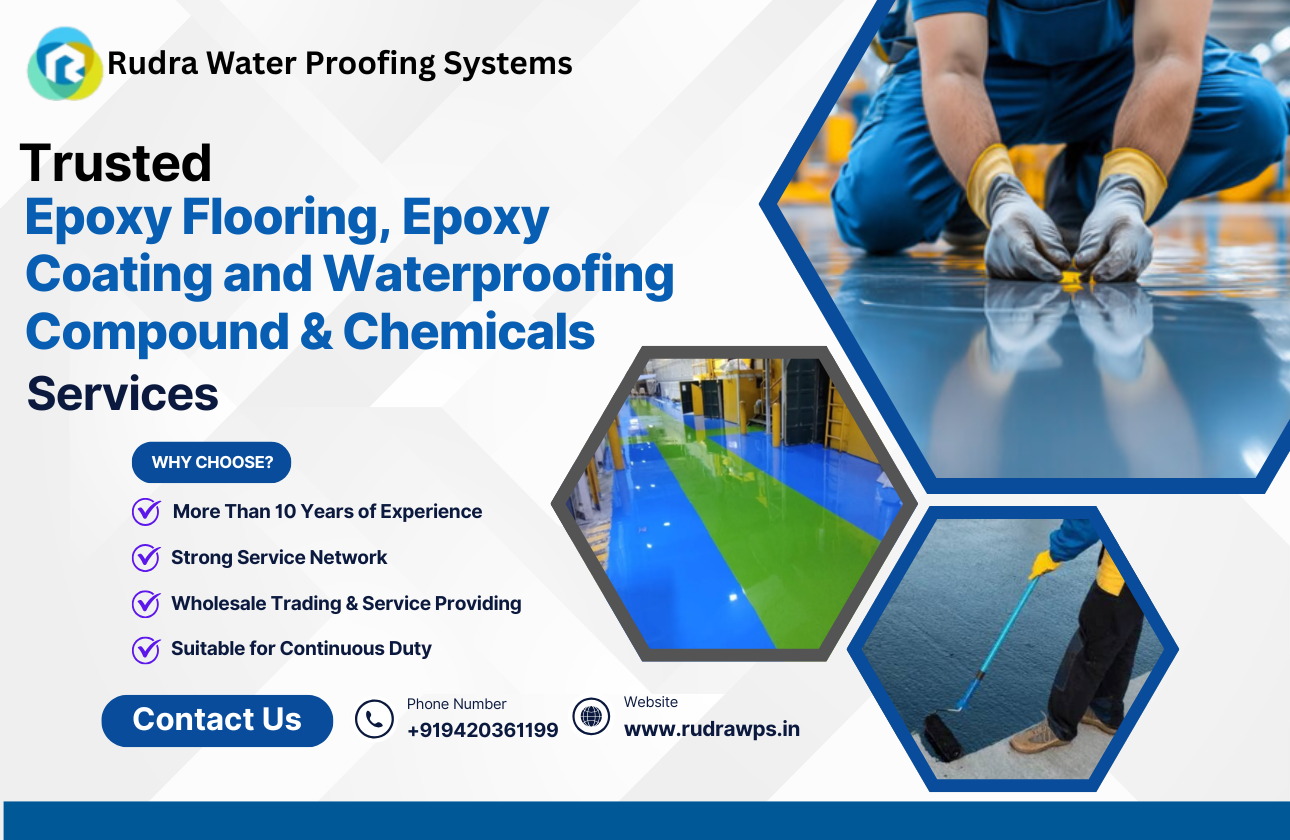
Epoxy floorings are a popular choice in both residential and commercial spaces due to their durability and aesthetic appeal. These floorings are made by combining resin and hardeners, creating a strong, plastic-like finish. Once cured, the flooring becomes highly resistant to wear and tear. They are perfect for high-traffic areas and can withstand heavy loads. Whether it's a garage, a warehouse, or even an office, epoxy floorings provide a sleek surface with a high-gloss finish that also enhances the lighting in any room.
Benefits of Epoxy Floorings
The benefits of epoxy floorings are numerous. One of the standout features is their longevity. Unlike traditional flooring solutions, they don't easily chip or crack. Additionally, epoxy floorings are highly resistant to chemicals, making them an excellent choice for industrial environments. They are also non-porous, which prevents the accumulation of bacteria, thus making them ideal in settings requiring stringent hygiene standards. The ease of maintenance is another advantage, as spills can be easily wiped away without leaving stains.
Applications of Epoxy Floorings
The versatility of epoxy floorings extends to a wide range of applications. They are commonplace in garages and basements for their durability against oil and other automotive chemicals. In commercial settings, such as retail spaces and hospitals, the seamless design and easy cleaning properties make epoxy an attractive option. They can also be customized with various colors and patterns to suit the aesthetic needs of any space, adding a touch of design flair to any environment.
Installation Process of Epoxy Floorings
Installing epoxy floorings requires a few essential steps. The surface must be cleaned thoroughly to remove any dust, oils, or grease. After cleaning, the floor is etched or primed to create a surface that the epoxy will adhere to effectively. The epoxy mixture is then carefully applied and spread evenly over the surface. A period of curing follows, which can last several days depending on the temperature and humidity. If considering a DIY approach, it's essential to follow all safety instructions and potentially seek advice from a professional.
Comparing Epoxy Floorings to Other Flooring Options
When compared to other flooring options like tiles, wood, or carpet, epoxy floorings hold several advantages. While tiles and wood can suffer from cracks and water damage, epoxy provides a seamless, waterproof surface. It also tends to be more affordable than other high-end flooring options, while still offering robust performance. For industries such as manufacturing and food production, the chemical resistance and ease of cleaning make epoxy flooring a preferable choice. For those looking to enhance their floor durability and aesthetics, Discover the Benefits of Epoxy Flooring and Aluminium Paints by checking this guide.
Environmentally Friendly Aspects
Many might not know that epoxy floorings are an environmentally friendly option. The long lifespan means less frequent replacement, reducing material waste over time. Additionally, the reflective surface can help reduce lighting needs, resulting in energy savings. For those particularly conscious of their environmental footprint, some manufacturers offer formulations with lower levels of volatile organic compounds (VOCs). Exploring Simple Epoxy Flooring Guides can further your understanding of sustainable options available in the market.
Frequently Asked Questions
1. Are epoxy floorings suitable for outdoor use?
Answer: While epoxy floorings are primarily designed for indoor use, they can be applied outdoors. However, they may require additional UV protection to avoid yellowing over time.
2. How long do epoxy floorings typically last?
Answer: With proper maintenance, epoxy floorings can last 10 to 20 years, with professional-grade installations often extending beyond this timeframe.
3. Can epoxy floorings be repaired easily?
Answer: Yes, minor damages in epoxy floorings can often be repaired with patch kits. For significant repairs, consulting a professional is advisable.
4. Is epoxy flooring slippery?
Answer: The surface of epoxy can become slippery when wet. To counter this, non-slip additives can be mixed into the final coat for added safety.
5. What is the maintenance requirement for epoxy floorings?
Answer: Epoxy floorings require minimal maintenance. Regular sweeping, occasional mopping with a non-abrasive cleaner, and addressing spills promptly can keep the floor in excellent condition.