Introduction to Chemical Resistant Coating Service
Chemical resistant coatings are pivotal for safeguarding surfaces in environments that are exposed to harsh chemicals. These services provide a layer of protection that prevents chemical damage and corrosion. It's a solution that industries like manufacturing, pharmaceuticals, and laboratories cannot do without. The ability of these coatings to resist chemical attacks not only ensures the longevity of equipment but also maintains safety and quality standards.
The Importance of Chemical Resistant Coating Service
Implementing chemical-resistant coatings is crucial for any industry dealing with aggressive substances. They help in reducing maintenance costs by minimizing wear and tear. Moreover, they play a significant role in preventing leaks and spills from causing environmental damage. Industries can rely on these coatings for effective containment and protection of their premises, thus ensuring uninterrupted operations and compliance with safety regulations.
Benefits of Chemical Resistant Coatings
The primary benefits of chemical-resistant coatings include extending the life of equipment and facilities, ensuring safety, and reducing repair costs. These coatings can withstand a wide range of temperatures and pressures, making them suitable for various applications. Additionally, they protect against abrasions and are easy to clean, offering both durability and practicality in industrial settings. By investing in these services, companies can enhance their operational efficiency and productivity.
Applications of Chemical Resistant Coating Service
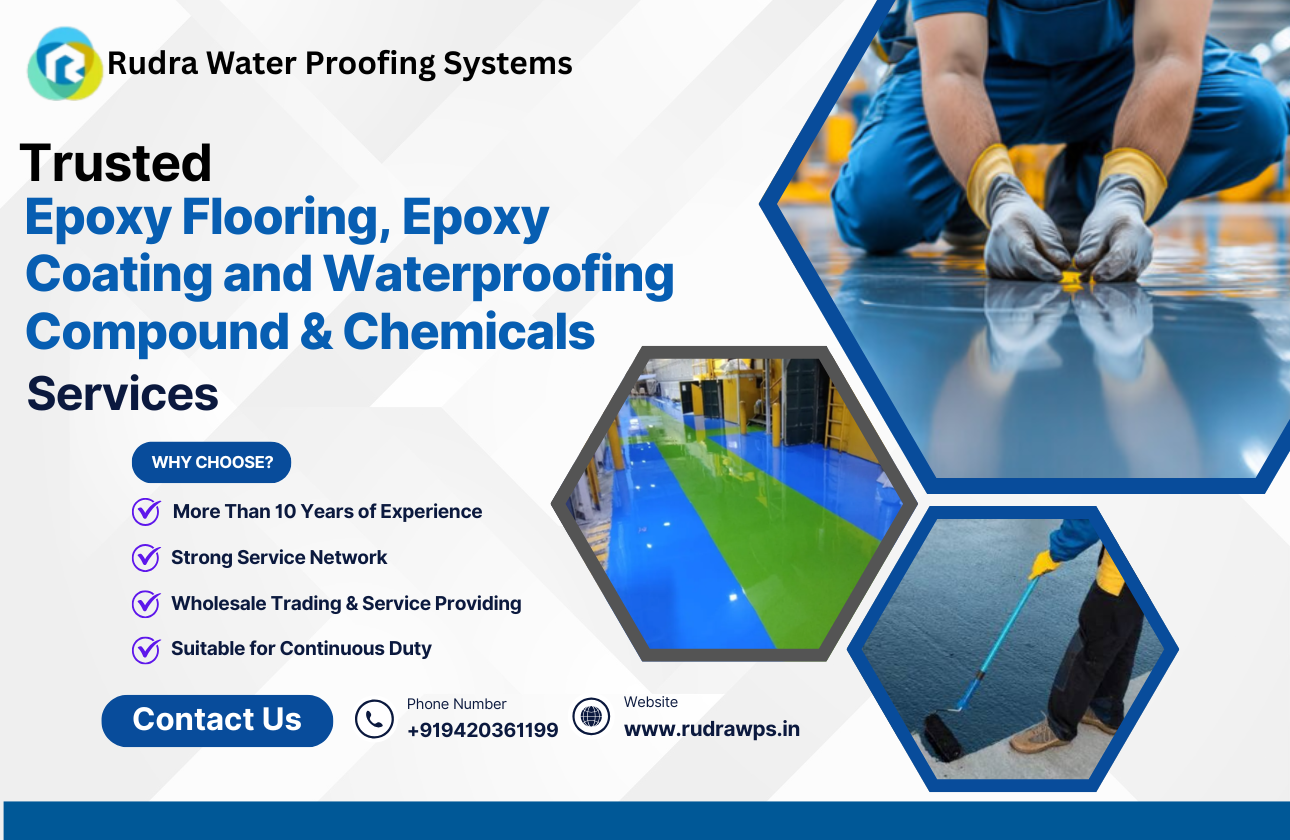
The versatility of chemical-resistant coatings allows them to be used in many different sectors. They are popular in manufacturing plants, pharmaceutical labs, and food processing units, where chemical exposure is frequent. These coatings can be used on different surfaces such as floors, walls, and even machinery. They provide a robust barrier against chemical attack, making them indispensable for industries that operate under challenging conditions.
Types of Chemical Resistant Coatings
Various types of chemical-resistant coatings are available, each designed to tackle specific challenges. Epoxy coatings are commonly used due to their excellent adhesion and durability. Polyurethane coatings offer flexibility and resistance to scratching. Other options include fluoropolymer coatings for high purity and chlorinated rubber coatings for their water-resistant properties. Each type caters to different industrial needs, ensuring appropriate protection is applied where necessary.
Choosing the Right Chemical Resistant Coating Service
Selecting the right chemical-resistant coating is vital for achieving the desired level of protection. Factors to consider include the type of chemicals present, the conditions under which the coatings will be applied, and the specific protection required. Consulting with professionals can provide insights into the best materials and application techniques. Engaging a reliable service provider ensures that the coatings are applied correctly and will last their intended lifetime. Choosing the best epoxy solutions manufacturers and services can guide this process effectively.
Maintaining Chemical Resistant Coatings
Regular maintenance of chemical-resistant coatings is essential for long-term performance. Routine inspections and cleaning help in identifying any potential failures or degradation early on. Repairing damaged areas promptly can prevent further damage and extend the life of the coating. Depending on the environment, re-application might be necessary to maintain its protective properties. A well-maintained coating ensures ongoing protection against harsh chemicals, maintaining safety and efficiency.
Frequently Asked Questions
1. What are chemical-resistant coatings?
Answer: Chemical-resistant coatings are protective layers applied to surfaces to prevent damage from exposure to chemicals. These coatings are crucial in environments where equipment and surfaces may come into contact with aggressive substances.
2. How do I choose the right chemical-resistant coating?
Answer: Choosing the right chemical-resistant coating involves evaluating the type of chemicals present, the environmental conditions, and the degree of protection needed. Consulting with experts and service providers can guide you to the most suitable solutions.
3. Where are chemical-resistant coatings commonly used?
Answer: These coatings are widely used in industries such as manufacturing, pharmaceuticals, and food processing, where surfaces need protection from harsh chemicals and environmental wear.
4. What are the benefits of chemical-resistant coatings?
Answer: The benefits include extending the lifespan of equipment, reducing maintenance costs, ensuring operational safety, and compliance with industry standards.
5. Can chemical-resistant coatings be applied on all surfaces?
Answer: While chemical-resistant coatings can be applied to various surfaces like floors, walls, and machinery, the suitability would depend on the surface material and the specific environmental conditions. Expert consultation is recommended for optimal results.