Introduction to Industrial Epoxy Flooring
Industrial epoxy flooring has become the go-to choice for many businesses, thanks to its durability and versatility. But what exactly is industrial epoxy flooring? It's a type of flooring that involves applying an epoxy coating to a concrete surface, making it resistant to wear and tear while offering a sleek finish. This kind of flooring is particularly beneficial for industries where heavy machinery is in use, or high foot traffic is expected. The demand for industrial epoxy flooring has spiked as businesses seek durable solutions.
Benefits of Industrial Epoxy Flooring
Choosing epoxy flooring for your industrial space comes with several benefits, primarily due to its strength and longevity. These floors are not only aesthetically pleasing but also resistant to abrasions, spills, and chemical stains. This makes them ideal for environments like factories, warehouses, and workshops. The seamless finish also minimizes the buildup of dirt and germs, which is crucial for maintaining hygiene. For more on choosing the right epoxy solutions, consider checking out this guide.
Applications of Industrial Epoxy Flooring
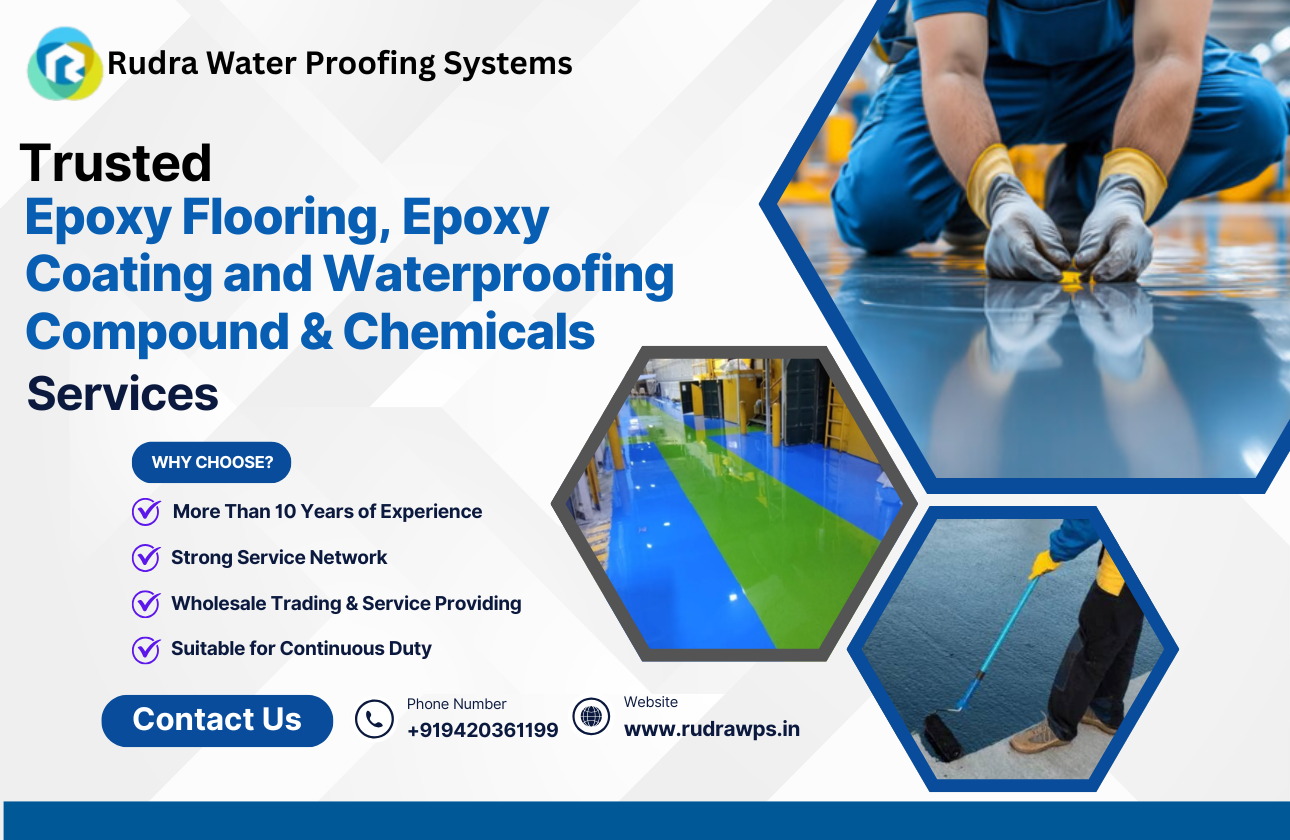
The application span of industrial epoxy flooring is vast - from aircraft hangars to hospitals and everything in between. Its flexibility in design allows customization to suit specific industry needs. For instance, using different colors to demarcate safety zones or high-access areas can improve workflow and safety in a workplace. This flooring type can even transform educational facilities into safe, easy-to-clean environments that withstand the rigors of daily use.
Choosing a Provider for Epoxy Flooring
Selecting a reliable provider for your industrial epoxy flooring project is vital to ensure quality. A good provider not only uses high-quality materials but also offers comprehensive services from installation to maintenance. Partnering with trusted manufacturers can help guarantee this. They’ll ensure the epoxy coating is mixed just right and applied under optimal conditions, giving the flooring its famed durability.
Installation Process of Industrial Epoxy Flooring
The installation of industrial epoxy flooring may take time, but the result is well worth the wait. Firstly, it involves preparing the concrete floor, which is then followed by applying the epoxy resin. Each layer needs to dry completely, adding to the overall timeline. The process ends with a final topcoat that provides a glossy, protective finish. To explore more about professional installation, you might want to read about epoxy flooring services.
Maintaining Industrial Epoxy Flooring
One of the standout features of industrial epoxy flooring is its low maintenance requirements. Regular cleaning with a soft broom and occasional mopping can keep the floor in good shape. Avoiding harsh chemicals and using epoxy-specific cleaning solutions can extend the life of the flooring significantly. In case of any damage, prompt repairs can prevent further deterioration, ensuring the flooring's longevity. Discover more on maintenance tips.
Cost Implications of Industrial Epoxy Flooring
While epoxy flooring is a worthwhile investment, it's also imperative to consider the cost implications. The price varies depending on factors like the surface area being covered, the type of epoxy used, and the complexity of the installation. However, the promise of long-term durability, minimal repair needs, and reduced cleaning costs make it financially sensible for many businesses. Investigating different options and quotations can help in making an informed decision.
Frequently Asked Questions
1. What Are the Main Benefits of Industrial Epoxy Flooring?
Answer: The main benefits include high durability, resistance to chemicals, easy maintenance, and increased safety through anti-slip properties. It also enhances the aesthetic appeal of industrial spaces.
2. How Long Does Industrial Epoxy Flooring Last?
Answer: With proper maintenance and care, industrial epoxy flooring can last anywhere between 10 to 20 years, making it a cost-effective solution.
3. Can Epoxy Flooring Be Used Outdoors?
Answer: While epoxy flooring is mainly used indoors, there are outdoor-grade epoxy products designed for exterior applications. It's best to consult with suppliers for suitable options.
4. Is Epoxy Flooring Suitable for All Industries?
Answer: Epoxy flooring can be customized to suit various industries, including manufacturing, healthcare, and education facilities, making it widely applicable.
5. How Is the Cost of Epoxy Flooring Determined?
Answer: The cost depends on factors such as the size of the area, the type of epoxy used, and any specific design requirements. Quotes from multiple providers can offer a better cost understanding.