
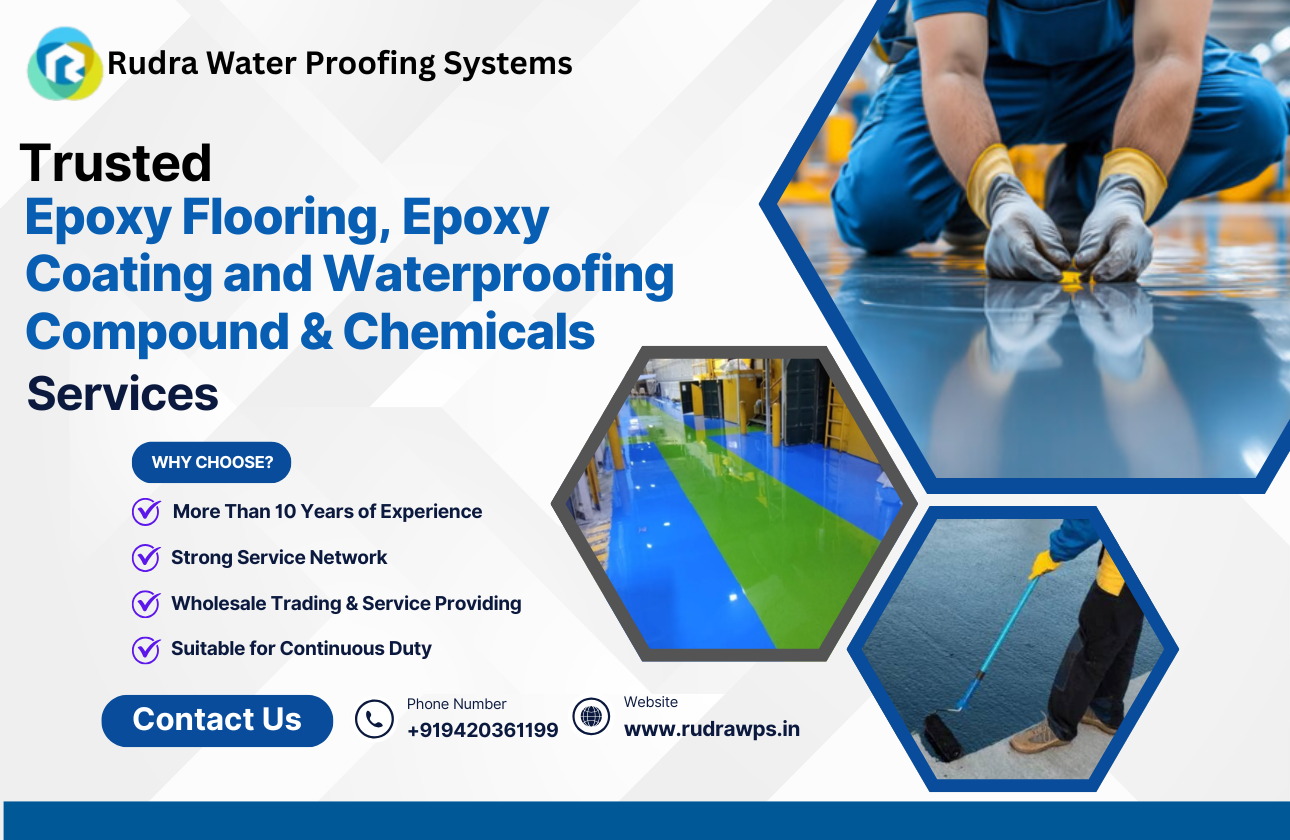
Understanding Specialty Paint
Specialty paint covers a broad range of coatings designed for specific purposes that go beyond traditional painting needs. These paints are formulated to meet unique challenges, such as resisting chemical spills, withstanding high temperatures, or providing a hygienic surface in a hospital. By catering to various demands, specialty paints ensure longevity and efficiency in both industrial and home settings. They're not just for aesthetics but are key in enhancing the functionality of a space.
Why Choose Specialty Paint?
Choosing specialty paint can be driven by specific needs that regular paints might not fulfill. For instance, in industrial settings, a coating that provides resistance to chemicals can prevent damage from spills and extend the life of surfaces. Specialty paints often boast enhanced properties such as abrasion resistance or energy efficiency, reflecting UV rays to maintain cooler interiors.
Types of Specialty Paint
There are various types of specialty paints tailored for specific applications. Anti-slip paints, for example, are essential for flooring in areas prone to moisture or frequent use, like swimming pools or commercial kitchens, preventing accidents. Other specialty paints include heat-resistant options for appliances or industrial furnaces. These paints ensure safety, durability, and compliance with safety standards.
Applications of Specialty Paint
Specialty paints find their application in countless fields, ranging from residential homes to commercial infrastructures. For homes, specialty paints might be used to create chalkboard surfaces or resist mold in bathrooms. In commercial settings, they can be significant for branding with anti-skid properties in areas like parking decks. They’re also critical in the healthcare industry for creating sterile environments.
Considerations When Choosing Specialty Paint
When selecting specialty paint, it is vital to consider the specific requirements of a room or area. Evaluate factors like temperature extremes, moisture levels, exposure to chemicals, and the type of surface. It's crucial to assess the quality and reputation of paint manufacturers, such as those highlighted in guides on industrial painters. Balancing cost with durability and the desired finish is key to making the right choice.
Environmental Impact of Specialty Paint
As sustainability becomes a priority, the environmental impact of specialty paint is under scrutiny. Many manufacturers are focusing on reducing volatile organic compounds (VOCs) and developing water-based solutions. These efforts not only help reduce indoor air pollution but also contribute to global environmental conservation by minimizing toxic waste. For instance, exploring epoxy primers offers insight into eco-friendly painting solutions.
Frequently Asked Questions
1. What is specialty paint used for?
Answer: Specialty paint is used to meet unique requirements that standard paint might not accommodate. It includes applications like anti-slip flooring, high-heat surfaces, and chemical resistance for industrial settings.
2. How do I select the right specialty paint?
Answer: Selecting the right specialty paint involves understanding your specific needs, such as exposure to elements or safety concerns, and then consulting with professional manufacturers that offer tailored solutions.
3. Is specialty paint more expensive?
Answer: While specialty paints may initially be more expensive than regular paints, their unique properties often mean greater longevity and safety, reducing long-term maintenance and replacement costs.
4. Are there eco-friendly specialty paints?
Answer: Yes, many manufacturers offer specialty paints with reduced VOCs and have developed water-based paints, aligning with sustainable practices.
5. Where can I find specialty paint?
Answer: Specialty paints can be found at local hardware stores, or you can visit websites of leading manufacturers and suppliers, such as this supplier, to explore a range of options.